
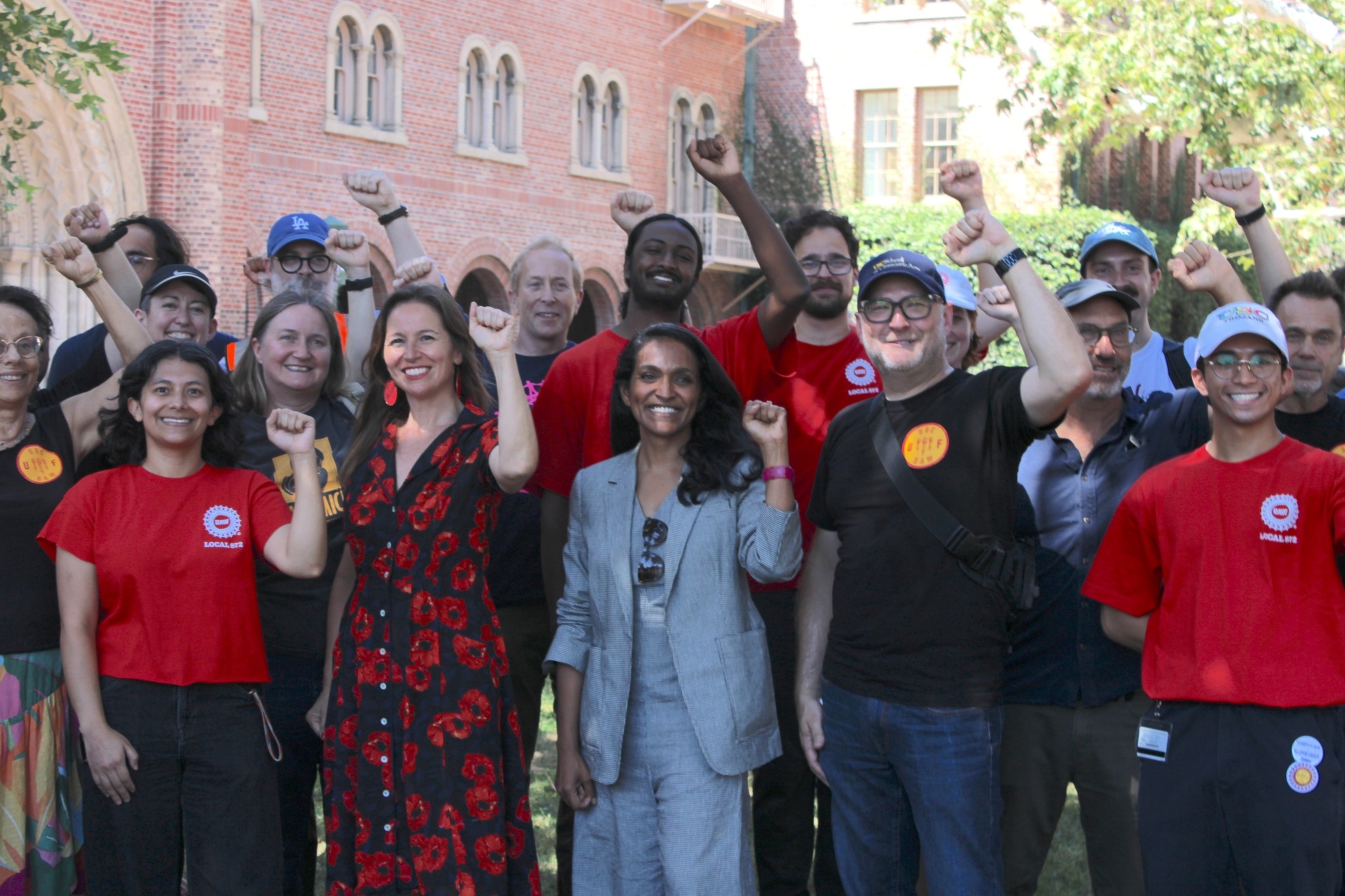
Los Angeles has witnessed a major political upset after Democratic socialist Nithya Raman defeated incumbent Mayor Karen Bass in the city’s mayoral race. The result has surprised political observers, as Bass entered the contest with considerable political experience and a strong position in American politics.
Raman’s victory marks a significant moment for the progressive movement in the United States. Her success also means that two of America’s largest cities, Los Angeles and New York, will now be led by politicians associated with democratic socialism.
The result has attracted attention beyond California because Raman was not initially considered a leading contender for the mayoral position. She entered the race as an underdog against Bass, an established political figure who had previously served in the US Congress. Bass had also built a long political career and had never lost an election before facing this challenge.
The defeat therefore represents a major setback for the outgoing mayor and a remarkable achievement for Raman. It also raises questions about changing political preferences among voters in one of America’s most influential cities.
Raman’s political success has drawn comparisons with New York City Mayor Zohran Mamdani. Both politicians are associated with democratic socialism and have attracted attention through progressive political platforms. Their victories reflect the growing visibility of candidates who advocate for policies focused on economic fairness, public services and the needs of ordinary residents.
Democratic socialism is a political approach that generally supports a stronger public role in essential services and reducing economic inequality. Supporters argue that government policies should help ensure that opportunities and resources are not concentrated among wealthy individuals and powerful institutions. The movement has gained attention among younger voters and people concerned about the rising cost of living.
Raman’s victory is particularly significant because Los Angeles is one of the most influential cities in the United States. It is internationally recognised for its entertainment industry, cultural diversity, economic influence and large population. Political decisions made by the city’s leadership can affect millions of residents and attract national attention.
The change in leadership could also influence discussions about the future direction of the Democratic Party. Progressive politicians have increasingly become important voices in American political debates. Their growing popularity has created discussions about whether traditional political approaches are still capable of addressing the concerns of voters.
For Raman, the victory brings both opportunities and responsibilities. Winning an election is only the beginning of the difficult work of governing a major city. Residents will expect the new mayor to turn campaign promises into practical decisions that improve their everyday lives.
Los Angeles faces several complicated urban challenges. Housing affordability, homelessness, transportation, public safety and economic inequality remain important issues in the city. These concerns require long-term planning, sufficient funding and cooperation between different levels of government.
The housing crisis is particularly important in discussions about the city’s future. Many residents face difficulties finding affordable places to live, while rising living expenses put additional pressure on families and workers. Addressing these problems will require policies that balance the needs of residents, property owners, businesses and local communities.
Homelessness is another major issue that any incoming administration will have to confront. Los Angeles has struggled to provide adequate support and housing for people living without permanent shelter. The issue involves several connected challenges, including poverty, mental health support, access to services and the availability of affordable housing.
Public safety will also remain an important responsibility. City authorities must ensure that residents feel secure while maintaining public trust in law enforcement and local institutions. Finding a balance between effective policing and community needs is a continuing challenge for urban leadership.
Raman will also need to work with city officials, community organisations and other political leaders to implement her priorities. Even a popular mayor cannot solve every problem independently. Major policy changes often require financial resources, administrative cooperation and support from elected representatives.
Her victory could have an impact on the wider political landscape as well. The comparison with Mamdani suggests that progressive candidates are becoming increasingly visible in major American cities. Their success may encourage other politicians to adopt similar approaches when addressing economic and social concerns.
However, electoral victories do not automatically guarantee successful governance. Voters will eventually judge the new administration by its performance, the decisions it makes and whether those decisions bring meaningful improvements to their communities.
The defeat of Bass also demonstrates how quickly political expectations can change. Experience and a strong political background do not necessarily guarantee another electoral victory. Voters can choose a different direction when they believe another candidate better represents their expectations.
For the Democratic Party, the result presents an opportunity to examine the growing influence of progressive politics. It also highlights the importance of understanding the concerns of younger generations and communities struggling with economic pressure.
Raman’s rise from an underdog candidate to the winner of Los Angeles’ mayoral race has therefore become more than a local political story. It represents a significant development in the debate over the future of American urban politics.
As the city prepares for a new administration, attention will turn towards how Raman plans to deliver on her political promises. Her victory has created considerable expectations, and the coming months will be important in determining whether the political change translates into meaningful progress for Los Angeles residents.
Comments
No comments yet. Be the first.
Related Stories
Related Stories

First published 6 November 2026. Spotted an error? Read our corrections policy.