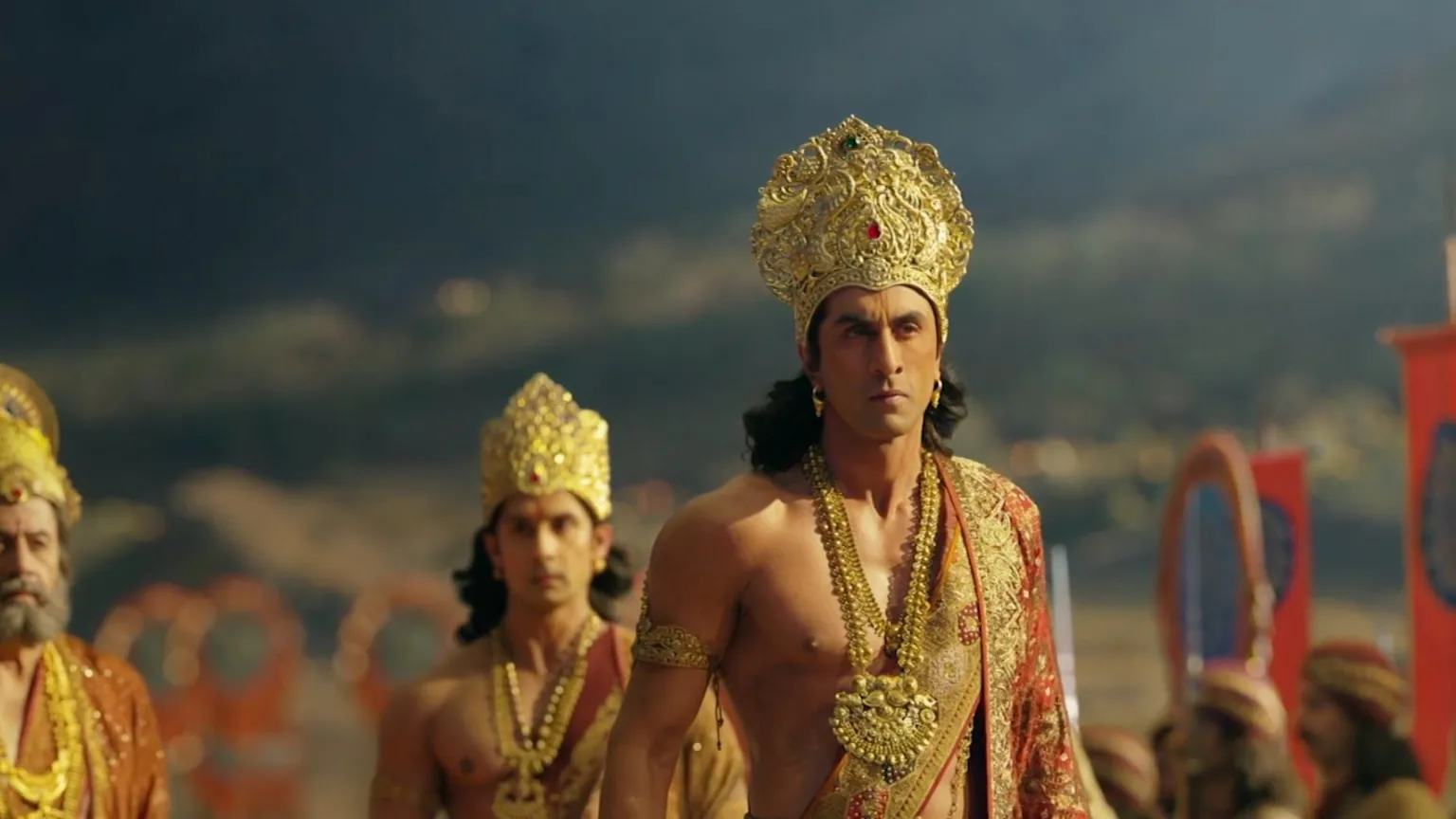
India’s most ambitious cinematic project has finally reached cinemas worldwide, bringing one of Hinduism’s most celebrated ancient epics to the big screen on an extraordinary scale. Titled Ramayana: Rise of a Legend, the film has attracted international attention for its massive budget, impressive production team and star-studded cast. However, despite the excitement surrounding its release, the film has received mixed reactions, raising questions about whether its grand visual presentation can meet the expectations attached to such an important cultural and religious story.
Directed by Nitesh Tiwari, the film is reportedly being produced with a budget of around $500 million, making it one of the most expensive film projects in Indian cinema. The ambitious production is divided into two parts, with the first instalment now arriving in theatres across the world. The filmmakers are attempting to transform a traditional Indian epic into a cinematic experience that can connect with audiences beyond the country’s borders.
The Ramayana is not simply an ancient story in India. It holds deep cultural, spiritual and historical significance for millions of people. Passed down through generations, the epic has influenced literature, religious practices, traditional performances, visual arts and popular entertainment. Its influence can be seen in different parts of Asia, where communities have developed their own interpretations of the story through local traditions and artistic expressions.
The central narrative follows Prince Rama, whose journey involves love, loyalty, sacrifice, duty and the struggle between good and evil. The story also features important characters such as Sita, Lakshmana, Hanuman and Ravana. Although different versions of the epic exist across regions and cultures, its central themes have remained meaningful for generations.
Over the centuries, the Ramayana has been presented in several artistic forms. Poets have retold it through literature, while artists have represented its characters and events through temple sculptures and paintings. Shadow puppetry, folk theatre and other traditional performances have also helped preserve the story. Television and cinema later introduced the epic to newer generations, giving it a place in modern popular culture.
The latest film adaptation aims to take this long-established tradition to another level. Rather than presenting the story through a conventional historical drama, the production brings together major Indian entertainment personalities and international filmmaking expertise. The involvement of Hollywood visual-effects professionals reflects the filmmakers’ intention to create a large-scale fantasy experience that can compete with major international productions.
The project has also attracted attention because of its musical team. Two Oscar-winning composers have reportedly been involved in creating the film’s music, adding another international dimension to the production. Their participation highlights the scale of the creative effort behind the project and the importance placed on its technical and artistic presentation.
For Indian cinema, the film represents an ambitious attempt to combine traditional storytelling with modern filmmaking technology. Large-scale productions have become increasingly important in the country’s entertainment industry, particularly as filmmakers look for opportunities to reach audiences in international markets. The Ramayana offers a familiar foundation for such an experiment because its story is already recognised by millions of people across different countries.
However, making a film based on a story with such deep religious and cultural importance also comes with considerable responsibility. Audiences who have grown up listening to different versions of the Ramayana often have strong emotional connections with its characters. As a result, expectations surrounding the film are considerably higher than those attached to an ordinary commercial release.
The initial response suggests that the film has not managed to satisfy everyone. Although its scale and production ambitions have generated considerable interest, reviews have been mixed. This difference in opinion demonstrates the difficulty of adapting a culturally significant story for contemporary cinema.
For some viewers, the attraction lies in seeing familiar characters presented through modern visual effects and large-scale cinematic storytelling. Others may judge the production more critically, particularly when comparing its interpretation with the versions of the epic they have known throughout their lives. Questions about storytelling, character presentation and the balance between spectacle and emotional depth can become especially important when filmmakers revisit such a widely respected work.
The film’s reported $500 million budget has further increased public expectations. A production of this size naturally invites comparisons with major international fantasy and historical films. Viewers are likely to expect not only impressive visuals but also a compelling narrative that gives the characters enough emotional depth to make their journeys meaningful.
Nevertheless, the significance of the project goes beyond its financial scale. It reflects the growing ambition of Indian filmmakers to present stories rooted in the country’s cultural heritage to a worldwide audience. The international release also creates an opportunity for people unfamiliar with the epic to discover a story that has influenced generations of artists and storytellers.
Ultimately, the success of Ramayana: Rise of a Legend will depend on more than its budget, famous cast or advanced visual effects. Its ability to connect with audiences, respect the importance of the original story and offer a memorable cinematic experience will determine how it is remembered.
As the first part begins its worldwide theatrical journey, the film has already become a major talking point in Indian cinema. Whether audiences embrace its ambitious interpretation or remain divided over its creative choices, the production has placed the ancient epic back at the centre of international entertainment discussions.
Comments
No comments yet. Be the first.
Related Stories
Related Stories
First published 6 November 2026. Spotted an error? Read our corrections policy.