
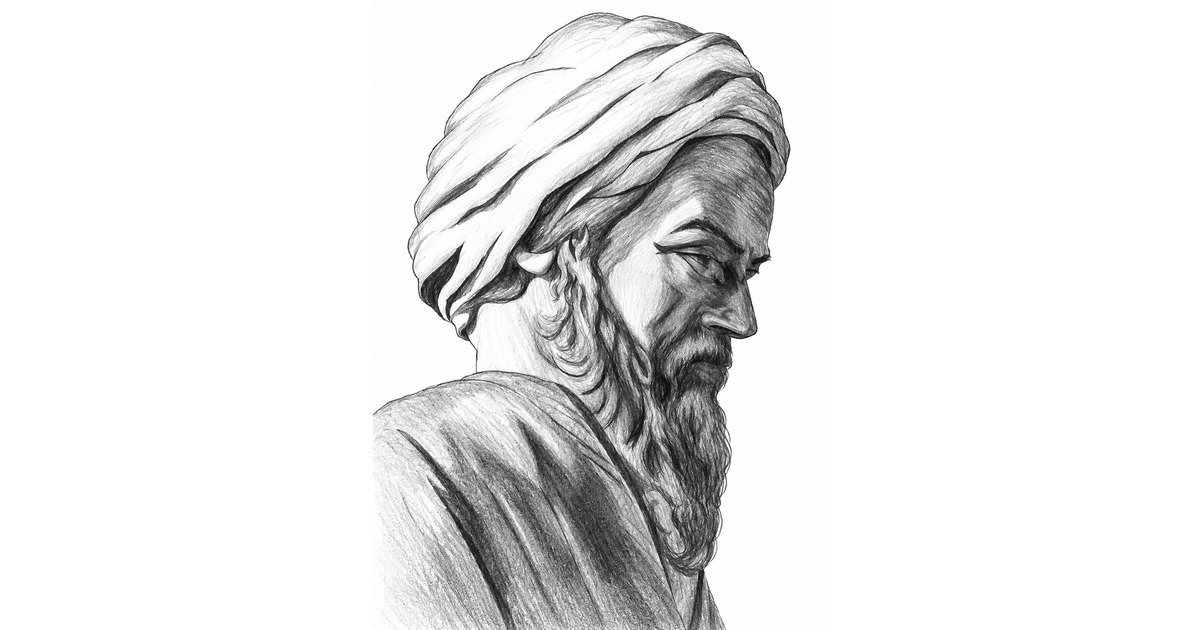
History is shaped by individuals whose intellect transcends their time, laying foundational stones for modern civilization. Among the brightest luminaries of the Islamic Golden Age stands Abu Bakr Muhammad ibn Zakariya al-Razi, universally known in the West as Rhazes (865–925 CE). A polymath of extraordinary depth, Al-Razi made revolutionary contributions that fundamentally transformed the fields of medicine, chemistry, philosophy, and physics. His relentless pursuit of empirical evidence and experimental observation established him not only as one of history's greatest clinicians but also as a master innovator whose discoveries continue to resonate in contemporary science. Early Life and Intellectual Awakening Born in the ancient city of Rayy, near modern-day Tehran, Iran, Al-Razi initially pursued interests in music, philosophy, and alchemy during his youth. However, a turning point in his life occurred when chemical experiments exposed his eyes to harsh compounds, causing a chronic irritation that eventually led to blindness in his later years. Following this incident, he redirected his formidable intellect toward the study of medicine. Moving to Baghdad, he quickly rose to prominence, becoming the chief physician of the city’s major hospital. His clinical acumen, combined with a deep-seated philosophy of compassionate care, earned him enduring renown across both the Islamic world and medieval Europe. Revolutionary Breakthroughs in Chemistry and Pharmacy Before Al-Razi, alchemy was heavily shrouded in mysticism and esoteric secrecy. Al-Razi played a pivotal role in transitioning alchemy into a systematic, scientific chemistry. He introduced rigorous laboratory methods, classified chemical substances systematically, and invented essential laboratory apparatuses such as crucibles, flasks, spatulas, and beakers that are still foundational to chemical laboratories today. Among his most monumental chemical discoveries is the production of sulfuric acid, achieved through the dry distillation of mineral substances. Often referred to in modern industrial chemistry as the "king of chemicals," sulfuric acid revolutionized manufacturing, metal processing, and chemical synthesis. Furthermore, Al-Razi successfully discovered and isolated ethanol (alcohol) through the distillation of fermented substances, recognizing its immense potential for antiseptic and medical applications. His contributions to pharmacology also included the introduction of mercurial ointments and the formulation of various medicinal compounds. Pioneering Milestones in Medicine and Clinical Practice Al-Razi’s contributions to medicine are vast, marked by an insistence on clinical observation over blind adherence to classical authorities like Galen. * Differential Diagnosis of Smallpox and Measles: One of Al-Razi's most celebrated literary and medical achievements was his treatise Kitab al-Judari wa al-Hasabah (The Book of Smallpox and Measles). It was the very first scientific text to clearly differentiate smallpox from measles, providing precise clinical descriptions of both diseases. This work was translated into Latin and numerous European languages, remaining a standard medical reference for centuries. Moreover, his astute observation that survivors of smallpox did not contract it a second time laid the conceptual groundwork for the theory of acquired immunity. * The Magnum Opus – Al-Hawi fi al-Tibb: Al-Razi spent fifteen years compiling Al-Hawi (known in Europe as Liber Continens), a monumental 25-volume medical encyclopedia. It stands as the largest medical text ever authored by a single individual. Serving as an extensive compilation of Greek, Persian, and Indian medical knowledge integrated with Al-Razi's own clinical trials, it became a core pillar of medical education in European universities, such as the University of Paris, well into the Renaissance. * Advancements in Ophthalmology and Anatomy: In the realm of ophthalmology, Al-Razi was the first to record the pupillary reaction of the eye to light. He also provided detailed surgical descriptions for treating cataracts. Neurologically, he mapped out cranial and spinal nerves with remarkable accuracy, categorized their functions, and was the first physician to successfully distinguish a concussion from other neurological conditions. Father of Psychotherapy and Humane Psychiatric Care Long before modern mental health awareness, Al-Razi recognized psychological illnesses as legitimate medical conditions requiring systematic treatment rather than superstition or punishment. While directing the main hospital in Baghdad, he established what is considered the world's first dedicated psychiatric ward. He championed a deeply empathetic approach to psychiatric care, treating patients with utmost dignity, respect, and kindness. He firmly believed that a physician must instill hope, maintain a gentle demeanor, and ease a patient's psychological anxiety to accelerate physical recovery. Furthermore, his pioneering discharge protocol included providing recovering patients with financial assistance to help them reintegrate smoothly into daily life—marking the earliest recorded instance of psychiatric aftercare. Public Health and Environmental Innovation Al-Razi’s genius extended into urban public health and preventative medicine. When commissioned to build a new major hospital in Baghdad, he devised a remarkably innovative method to select the healthiest location. He hung pieces of fresh meat in various parts of the city and monitored how quickly they decayed. He ultimately selected the district where the meat showed the slowest rate of decomposition, correctly reasoning that the air there was the cleanest, purest, and least prone to causing airborne illnesses. This brilliant epidemiological approach demonstrated an early understanding of environmental hygiene long before the advent of modern microbiology. Conclusion Abu Bakr al-Razi was a titan of human intellect whose discoveries reshaped the trajectory of science and medicine. By replacing dogma with rigorous experimentation, chemical analysis, and compassionate patient care, he left behind a blueprint for modern scientific inquiry. From the chemical laboratories that utilize sulfuric acid to modern hospitals equipped with psychiatric wards and clean-air standards, Al-Razi’s visionary innovations continue to benefit all of humanity, cementing his status as an immortal pioneer of science.
Comments
No comments yet. Be the first.
Related Stories
Related Stories
First published 2 November 2026. Spotted an error? Read our corrections policy.